How Custom Carbon Fiber Parts Improve Design Flexibility and Efficiency
Components being designed in the modern era of engineering and manufacturing must be lightweight, robust, and tailored to specific design requirements. Made-to-order carbon fibre pieces effectively solve this trade off through a combination of strength to weight ratio and design flexibility. Carbon fiber composites help manufacturers deliver new products that combine functionality, performance and aesthetics — from automotive engine covers to specific interior and exterior components.
The Advantages of Custom Carbon Fiber Parts
Carbon fibre composites are stiff and lightweight carbon fibres dispersed in a resin matrix. They can be customized using material choice, fiber orientation, component geometry, and manufacturing methods. This is what makes them ideal for applications in which tradition materials may not fit weight, strength or design objectives.
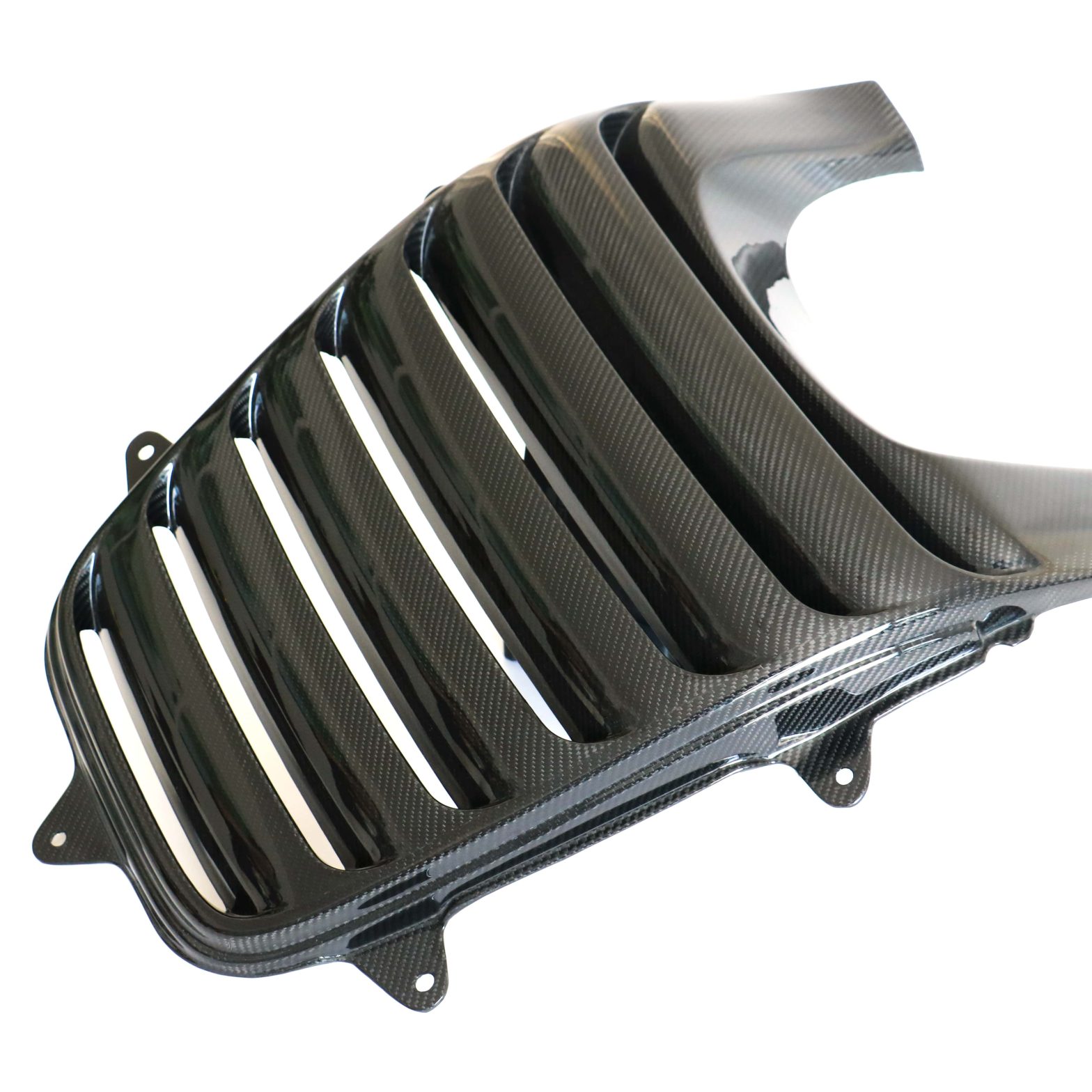
Custom carbon fiber engine covers and components can offer a lightweight alternative to select metal parts for automotive applications. The appropriateness depends on the component’s operating temperature, mechanical loads, mounting conditions, and weather.
How Custom Carbon Fiber Parts Improve Design Flexibility
- A Collection of Complex Shapes and Designs
A major benefit of carbon fibre composites are their versatility, since they can be formed into complex geometries in suitably designed moulds. Manufacturers can create complex contoured surfaces and application-specific shapes that accommodate modern-day functional and styling elements in automotive/powdered devices.
Custom carbon fiber parts may be designed around existing assemblies, installation space availability and specific dimensional requirements. This versatility is especially useful for engine covers, cooling-system components, spoilers, and other niche automotive accessories.
- Goal-oriented lightweight construction
Optimizing actual component weight is one of the key optimization parameters for car manufacturers. While the fiber itself, and the “composite” materials in which it is used allow particularly high strength-to-weight ratios, designers can reduce mass where those materials have been previously engineered for spaceflight.
Lighter individual components might help improve efficiency and performance, depending upon their location, the mass savings achieved from using lighter parts, and overall vehicle design. Before picking a composite material, engineers still have to balance stiffness, impact resistance, vibration and safety requirements.
- Flexibility in the Choice of Material and Finish
Different material specifications and manufacturing processes can be used to create custom carbon fiber parts for specific projects. Using surface treatments, clear coatings or other finishing techniques, it can maintain the characteristic carbon fiber weave but give a more polished look.
As a result, designers can factor in both functional performance attributes and aesthetics when developing automotive components for bespoke vehicles, specialist builds or original equipment applications.
Improving Manufacturing Efficiency with Carbon Fiber Components
- Prototyping and Design Optimization
Manufacturers can prototype to understand the component’s size, fit and design before committing time and resources to full-scale production. Analyzing as early as possible can shed light on problems, improve specs and significantly lowering the likelihood of expensive reworks during manufacturing.
- Choosing the Right Manufacturing Process
Every production process caters to one or more different component geometries, volumes, and performance-oriented requirements. Manufacturers might use hand lay-up, compression moulding, vacuum bagging or autoclave processing depending on the design.
A suitable process will synchronize quality of the product, dimensional precision, production requirements & cost. Further operations such as CNC machining, precision drilling, coating, bonding and assembly may be necessary to obtain the desired fit and finish.
- Durability and Corrosion Resistance
Carbon fiber composites tend to be reasonably resistant to corrosion, unlike some conventional metals that may corrode. They are sensitive to resin system, environmental exposure, manufacturing quality and component design. This is why having the right coatings and selecting the right materials is vital with automotive parts susceptible to heat, chemicals, moisture, or sunlight.
How to Select a Custom Carbon Fiber Manufacturing Partner
Material selection is only a part of what contributes to the success of projects. While choosing a supplier, manufacturers will want to look consider engineering support, mould design and prototyping capabilities, production capabilities, quality control process and finishing requirements. Providing clear technical drawings, dimensional tolerances, operating conditions and expected production volume allows suppliers to recommend an appropriate manufacturing method.
Conclusion
It helps improve design flexibility, reduce the weight of components and streamline product development with custom carbon fiber parts. Given proper engineering and manufacturing techniques, these composites can satisfy unique automotive needs while enhancing durability with attractive surface cosmetics. Great for design, prototyping, tooling, manufacturing, machining and finishing capabilities for customers looking to create custom carbon fiber engine covers and composite parts as per their projects needs.