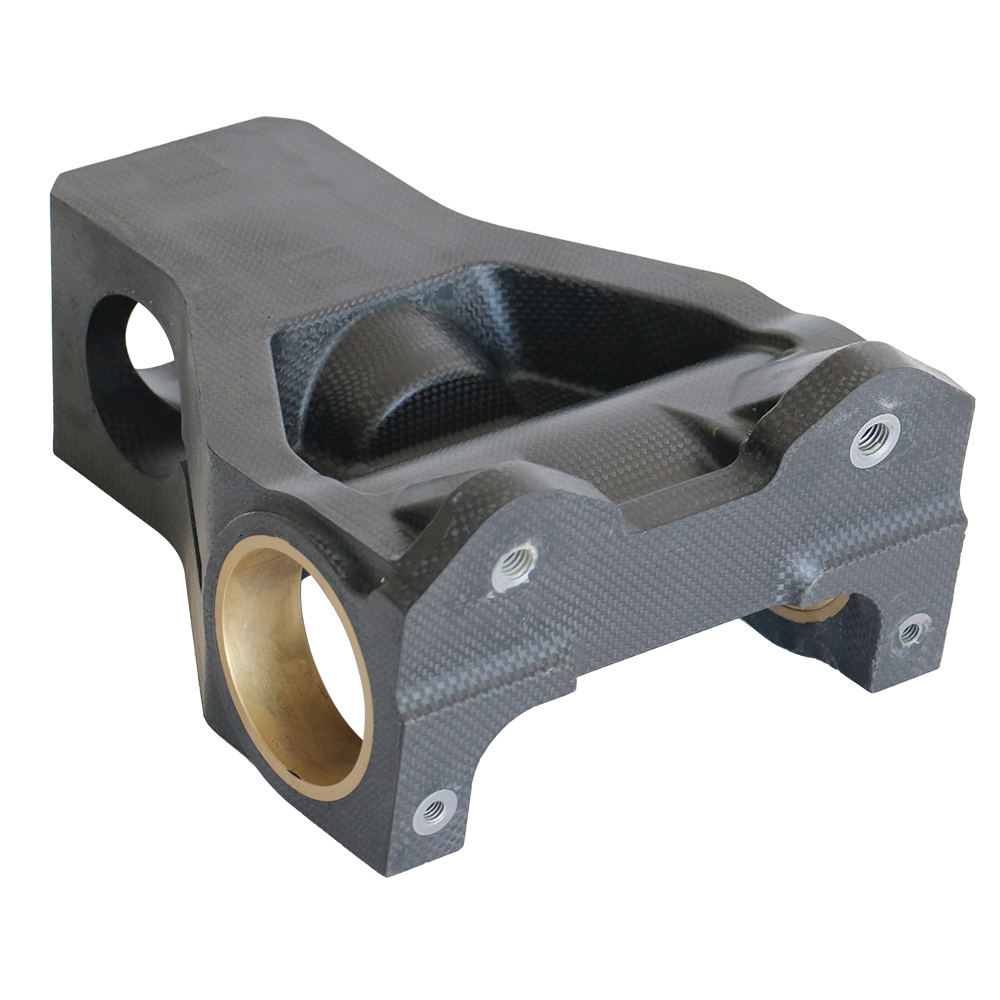
What Makes TipTop Composites’ Carbon Fiber Robotic Arms Ideal for UAV Design?
The world of unmanned aerial vehicles (UAVs) is an evolutionarily fast paced one, and performance, efficiency and durability are key-demand factors. Carbon fiber robotic arm is one of the components that play an important role to have these qualities. Enter TipTop Composites, a trusted manufacturer of high performance carbon fiber parts designed with drone applications in mind.
Understanding the Role of Carbon Fiber Robotic Arms in UAVs
Its a structural component that supports motors, propeller and other critical components of the drone. It plays a direct role in determining flight stability, payload capacity and overall efficiency.
These arms are constructed of high-tech carbon fiber materials are lightweight and very rigid, designed by TipTop Composites. This weight-saving continuum helps drones retain their structural integrity while not weighing much — which is key to how well they fly.
Furthermore, in UAV design, every gram is of utmost importance. Carbon fiber is an excellent material because lighter components lead to longer and faster flight times.
Why It Matters
Standard materials such as aluminium or steel would increase the weight, compromising flight efficiency. Unlike the aluminium, carbon fiber provides a high strength to weigh ratio.
TipTop’s components are designed to be “light enough to get them off the ground and strong enough that they’ll land safely,” keeping a perfect balance between durability and performance.
As such, the carbon fiber robotic arm becomes an integral part of UAVs designed for demanding applications like aerial mapping, inspection and agriculture.
Precision Engineering and Customization
One more surprising feature of TipTop Composites is that it provides customized solutions. Just like there is no single way to design a classic manned aircraft, so too there are radically different ways two manufacture UAVs depending on the intended use.
Tailored Design Options
- Personalized shapes (circular, rectangular, hexagonal, etc.)
- Precision CNC machining
- Advanced manufacturing processes like filament winding and pultrusion
Improved Flight Efficiency and Performance
The use of carbon fiber components influences the performance of UAV along a few vectors:
- Longer Flight Time: Lightweight structures consume less power, keeping the drones aloft longer.
- Higher Payload Capacity: Robust materials would enable drones to carry heavy accessories like cameras, sensors, or delivery packages.
- Better Stability and Control: Stiff structures reduce vibration, leading to more precise and controlled flight.
Advanced Manufacturing Expertise
TipTop Composites – Full-service engineering companies specializing in carbon fiber technology from a supplier. They specialize in designing, prototyping and building complex composite structures.
- Cutting-Edge Techniques
- Roll-wrapping for torsional strength
- Filament winding for durability
- Autoclave moulding for precision
Why TipTop Composites Is a Preferred Choice
The right material is just half the battle; picking your supplier is just as crucial. Tip Top Composites – Innovative Quality & Customer Oriented Solutions
Key Advantages
- High-quality carbon fiber materials
- Custom engineering support
- Advanced production capabilities
- Proven performance in UAV applications
Thanks to their expertise, each carbon fibre robot arm is guaranteed to be reliable and efficient.
Conclusion
Lightweight strength, durability and customization are the key selling points of TipTop Composites’ robotic arms made out of carbon fiber that stand up to billions of cycles. Not only do they enable improved flight efficiency and reliability, but they are also an essential component of modern UAV design, especially in high-performance applications within drone systems.